Appliance Care & Maintenance Guide
Simple maintenance tips to help your appliances perform better and last longer.
Simple Care. Better Performance. Longer Appliance Life.
Your appliances work hard every day. A little routine maintenance can help them perform better, prevent odors and buildup, reduce unnecessary service calls, and potentially extend their useful life.
Whether you are caring for a refrigerator, washer and dryer, dishwasher, range, ice maker, or an entire kitchen suite, these habits help keep appliances performing at their best.
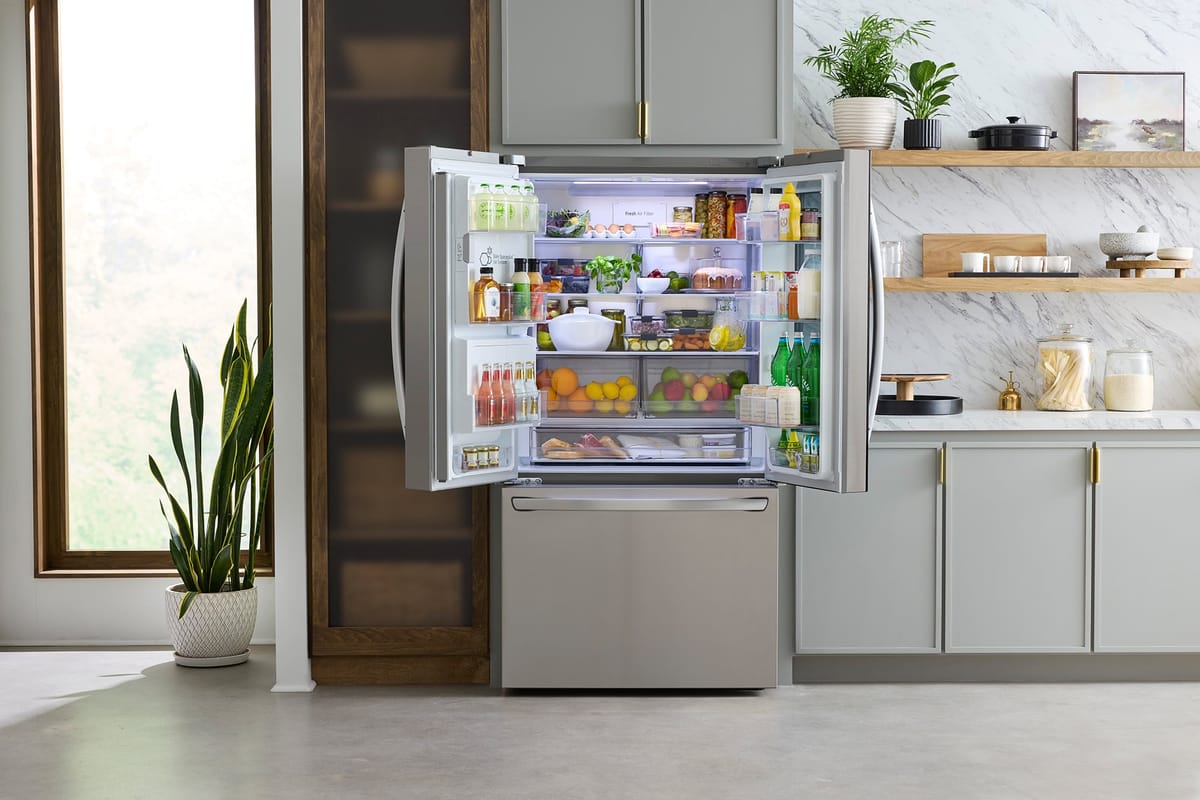
Good airflow, clean surfaces, proper temperatures, and healthy door seals make a real difference.
- Keep the condenser area clean. If your refrigerator has accessible condenser coils or ventilation that the manufacturer says to clean, inspect them periodically for dust, pet hair, and debris. Follow that brand's instructions for access and cleaning.
- Check the door seals. Keep gaskets clean. Look for cracks, tears, or spots that are not sealing. A poor seal lets cold air out and makes the cabinet run harder than it should.
- Hold recommended temperatures. A common target is about 37°F in the fresh-food section and 0°F in the freezer, unless your manufacturer says otherwise.
- Do not block interior airflow. Do not pack food against the vents. The cabinet needs circulation to stay even.
- Replace water filters on schedule. If the refrigerator has filtration, follow the brand's interval or the filter indicator.
- Respect that model's ventilation. Freestanding, counter-depth, built-in, and integrated refrigerators do not share the same clearance. Use the install spec for the exact model.
- Keep the cabinet level. Leveling helps door swing, sealing, ice production, and drainage.
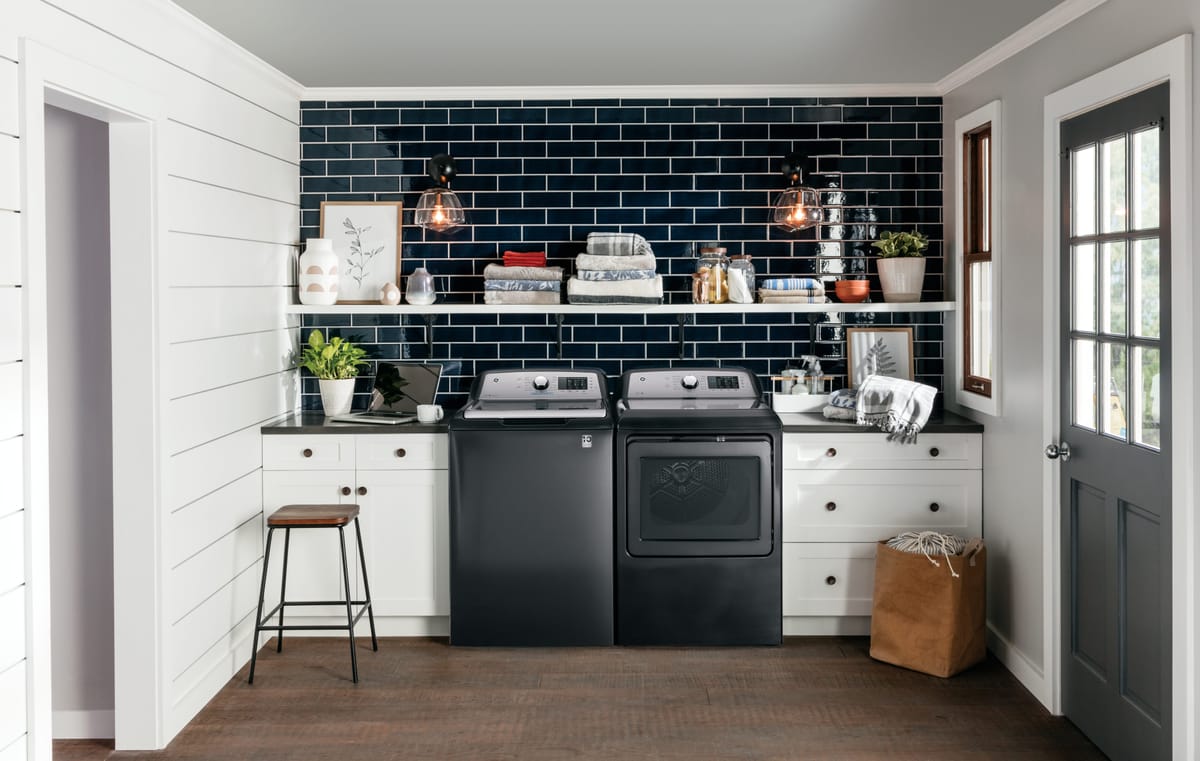
Most washer complaints start with loading, detergent, or a dirty interior — not a failed part.
- Use the correct detergent. If the washer requires HE detergent, use only detergent labeled for high-efficiency machines and follow the dosing on both the detergent and the appliance. More soap is not better. Extra detergent leaves residue, odor, and poor rinsing.
- Do not overload. Clothes need room to move. Overloading cuts cleaning performance and stresses the machine.
- Run the clean cycle when the brand says to. Tub Clean, Self Clean, Clean Washer, and similar cycles have a schedule and a specified cleaner. Use both.
- Keep front-load gaskets clean. Check the door gasket for lint, hair, small objects, detergent residue, and trapped moisture.
- Let the interior dry. When it is appropriate for the model and the household, leave the door or lid slightly open between uses.
- Clean dispensers and accessible filters. Detergent drawers and drain-pump filters often need periodic cleaning. The use-and-care guide shows which parts you can service.
- Inspect hoses. Look at accessible supply hoses and connections for cracking, bulging, corrosion, or leaks.
Dryer care is airflow. That is the whole job.
- Clean the lint filter after every load. A clean screen is what the dryer is designed around.
- Inspect the exhaust path. Lint collects past the filter — in the duct and at the exterior cap. How often you need a professional clean depends on use and on how long and how bent the run is.
- Keep the exterior vent clear. Lint, landscaping, debris, and animal nests all choke the termination.
- Do not overload. Clothes need room to tumble so heated air can move.
- Longer dry times are a warning. If loads suddenly take much longer, do not just add time. Restricted airflow or another fault needs attention.
- Use approved venting. Follow the dryer's installation instructions and applicable code when you install or replace duct.
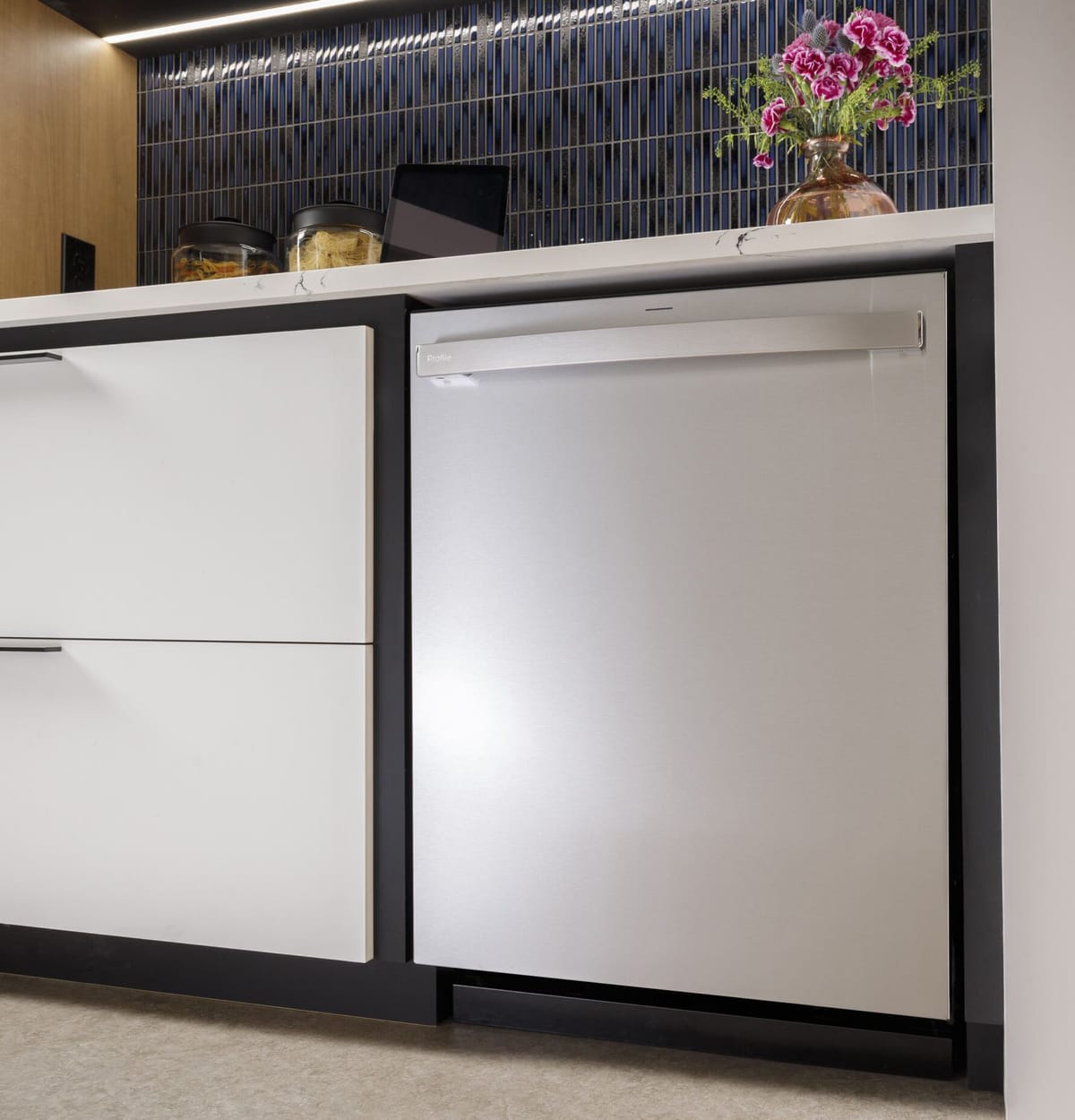
A clean filter, clear spray arms, the right detergent, and correct loading do more than any additive.
- Clean the filter. Many current dishwashers use a removable filter in the tub floor. Inspect and clean it the way the brand specifies.
- Check the spray arms. Food and mineral scale block the holes. Clean them with the procedure in the use-and-care guide.
- Use automatic dishwasher detergent in the amount the manufacturer recommends — not hand dish soap.
- Use rinse aid when the brand recommends it. It improves drying and cuts spotting on glass.
- Scrape large debris. Bones, seeds, labels, toothpicks, and big scraps come out before the rack. Heavy pre-rinsing is often unnecessary on modern units.
- Clean the tub on a schedule. Grease, detergent film, and minerals build up. Use the machine's clean cycle or a manufacturer-approved procedure.
- Do not block the spray arms. Tall utensils, pans, boards, and oversized dishes must leave the arms free to spin.
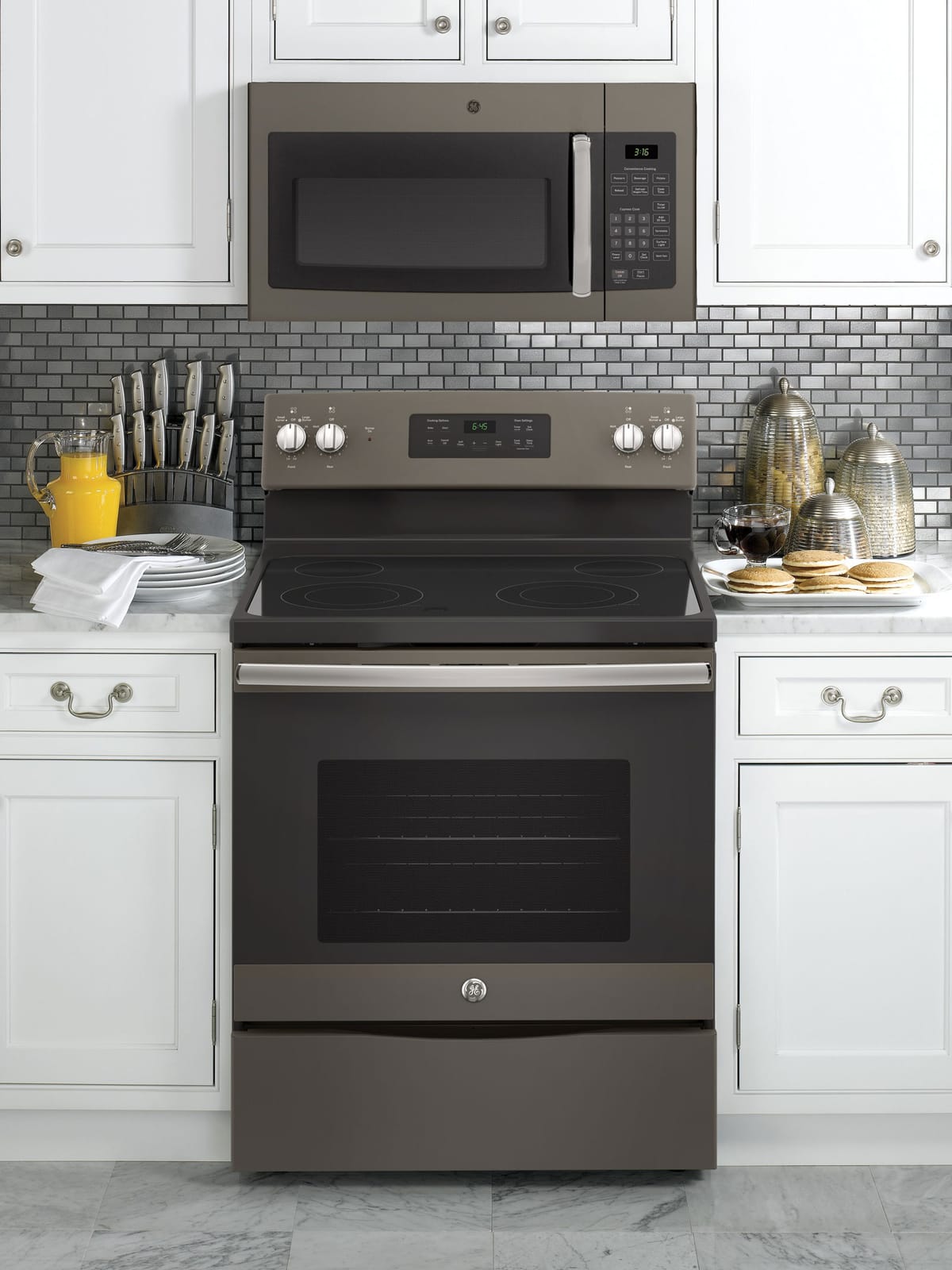
Spills that wait become baked-on work. Clean when the surface is cool enough to touch safely.
- Clean spills promptly once the appliance has cooled.
- Use the cleaner the finish requires. Glass cooktops, stainless, porcelain enamel, grates, burner caps, and coated surfaces are not interchangeable. Follow the brand.
- Keep gas burners clean. Food and grease clog ports. Clean caps and ports the way the manufacturer shows, then reassemble correctly.
- Watch the flame. After cleaning, if a burner is hard to light or the flame looks wrong, it may need service — not another home remedy.
- Use self-clean only as written. Self-clean and steam-clean systems differ by model. Do not apply a generic method.
- Do not line surfaces with foil unless the brand specifically allows it. Unapproved foil and liners block airflow and can damage the finish.
- Keep vents open. Never cover oven ventilation openings.
- Clean spills before they bake on hard.
- Inspect door seals without attacking them. Do not scrub gaskets unless the manufacturer says you can.
- Follow that oven's cleaning method — traditional self-clean, steam clean, a specialty coating, or manual only.
- Uneven or badly off temperatures need diagnosis, not just more cook time.
- Wipe spills and splatters so grease does not bake onto the cavity.
- Use microwave-safe containers only.
- Cover food when it makes sense. A microwave-safe cover cuts splatter.
- Never run the microwave empty.
- Keep the door and sealing surfaces clean.
- Do not use a damaged microwave. If the door, hinges, latch, or seal is damaged, stop using it and get qualified service.

Dedicated ice machines need more attention than most homeowners expect — especially where the water is hard.
- Follow the manufacturer's clean-and-sanitize schedule.
- Watch for mineral scale in the machine and the water path.
- Replace water filters when required.
- Keep condenser and ventilation paths clear. Never block a required front grille or designated airflow.
- Clean the ice bin as directed.
- A drop in production, odd cube size or shape, or a change in taste or odor means filtration, water supply, cleaning, or service — not a bigger bin.
- Keep ventilation unobstructed.
- Clean door gaskets periodically.
- Do not overpack the cabinet. Air has to move.
- Set the temperature for what is actually stored. Wine and beverages are not the same target.
- Clean accessible condenser areas when the manufacturer requires it.
- Built-in and undercounter units live or die on the install and the ventilation. That is especially true of high-end undercounter refrigeration.
- Clean grease filters regularly. Mesh and baffle filters load up with grease.
- Replace filters when required. Recirculating hoods often use charcoal or other consumable filters.
- Clean exterior surfaces with a product the finish allows.
- Keep ducting unobstructed.
- If airflow drops or the blower sounds different, check the filters first. If that does not fix it, schedule service.
Santa Rosa Beach, 30A, and the rest of the Emerald Coast are hard on metal. Salt air and humidity attack stainless, hinges, burners, and outdoor refrigeration faster than an inland kitchen.
- Rinse and wipe outdoor stainless and grill surfaces on a regular schedule. Do not let salt film sit.
- Use covers when the manufacturer allows them, and still ventilate so moisture is not trapped against the finish.
- Outdoor and marine-grade undercounter products are not the same as indoor undercounter. Use the product that is rated for the location.
- Inspect burners, igniters, doors, and gaskets on outdoor cooking and refrigeration after storms and through peak season.
Coastal living adds a few jobs that inland checklists skip — especially in vacation homes and rentals.
- Humidity. Let washers and other wet interiors dry between uses. Keep conditioned rooms actually conditioned.
- Vacation and second homes. Before a long vacancy, read the brand's instructions for unused periods. That can mean shutting off water, emptying ice bins, pulling perishables, and cleaning interiors.
- Rentals. High-turn 30A and beach properties wear appliances fast. Put a repeating inspection on dryer lint filters and exhaust, refrigerator and ice-machine filters, dishwasher filters, washer interiors and dispensers, range-hood grease filters, and water-supply hoses.
- Water quality. Minerals affect dishwashers, washers, refrigerators, and especially dedicated ice machines. Recurring scale, weak water flow, odd ice, or heavy spotting is a maintenance or treatment problem, not a mystery.
- Storms and long outages. Inspect refrigerated food before you eat it. If an appliance throws codes or will not run right after power returns, read the manufacturer's instructions before you keep cycling power.
A rental unit that fails in season is a replacement problem as often as it is a repair problem. Call 850-598-6558 with the model and the property address. We will check on-hand stock, including tested open-box and scratch-and-dent, or dispatch in-home repair when repair is the better call.
- Do not ignore a change. New noises, odd odors, leaks, longer cycles, repeated error codes, uneven temperatures, or a drop in performance are worth an early look.
- Do not force doors, drawers, racks, or controls. Find out why it is stuck.
- Use the appliance as designed — correct loading, approved detergents and cleaners, proper cookware, real ventilation, and the right electrical and plumbing connections.
- Do not pull a built-in yourself to “just clean behind it.” Built-in refrigeration, columns, and wall ovens are boutique service work for a reason.
- Keep the model and serial number. You need both for parts, service, warranty, and product identification.
- Refrigerators — inside the fresh-food compartment or along an interior wall.
- Washers and dryers — around the door or lid opening.
- Ranges — around the oven-door frame, storage drawer, or lower portion of the unit.
- Dishwashers — along the inside edge of the door or tub.
Tip: Photograph the entire rating plate before you call Parts or Service.
What The Appliance Spot does not service
Need help with your appliance?
Sometimes routine care is not enough. Start with a replacement if the machine is at the end of its life. Use service or parts when repair still makes sense.
REPLACEMENT
Sometimes replacement is the better math.
The majority of what we sell is brand-new, in-box. We also stock select open-box and scratch-and-dent pieces — unused, tested, with 1-year parts and labor from purchase.
Compare the categories: ApplianceSpot.com/new-vs-open-box
Shop: ApplianceSpot.com
SERVICE
Appliance not performing?
Call 850-598-6558 to schedule in-home diagnosis and repair on kitchen and laundry appliances.
If you bought the unit from The Appliance Spot and it is still under the coverage that came with that sale, start with us. Otherwise we quote a diagnostic visit or work at the manufacturer's agreed rate.
PARTS
Need a replacement part?
The Parts Department sources parts for many major brands. Have the model number ready. A photo of the rating plate is best.
Availability varies. Some parts are on hand; others are special-order.